
Guru Kalamandalam V. R. Venkit: The Kerala maestro who became Kolkata’s own – GetBengal Story
From Kerala to Kolkata, Guru Venkit bridged cultures through Kathakali, devotion, and timeless artistic legacy
0 Comments

From Kerala to Kolkata, Guru Venkit bridged cultures through Kathakali, devotion, and timeless artistic legacy
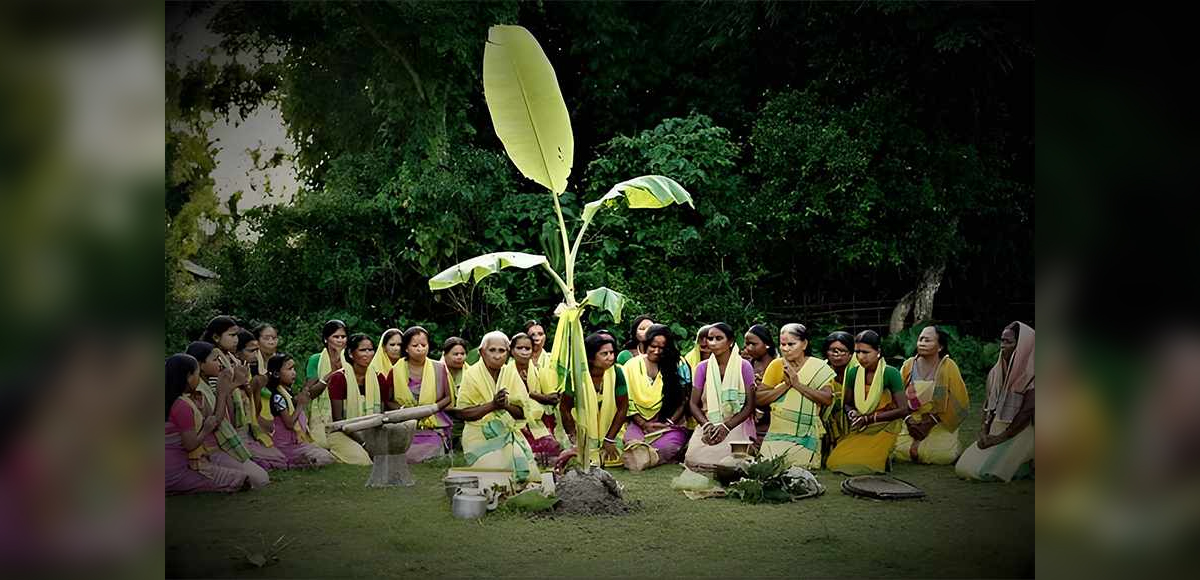
When the whole world is advancing with science and technology, some sections of North Bengal still preserve their ancient cultural practices. Hudum Deo Puja and Hudum Dance are among the most notable traditional rituals and indigenous art forms practiced by the Rajbangshi community, which is rooted in North

October is the month of the Nobels. This is the time when the Royal Swedish Academy announces the names of the Nobel laureates. For Bengalis, however, this October has been a month of heartbreak. A hundred and thirteen years after Rabindranath Tagore’s Nobel win, Bengal had
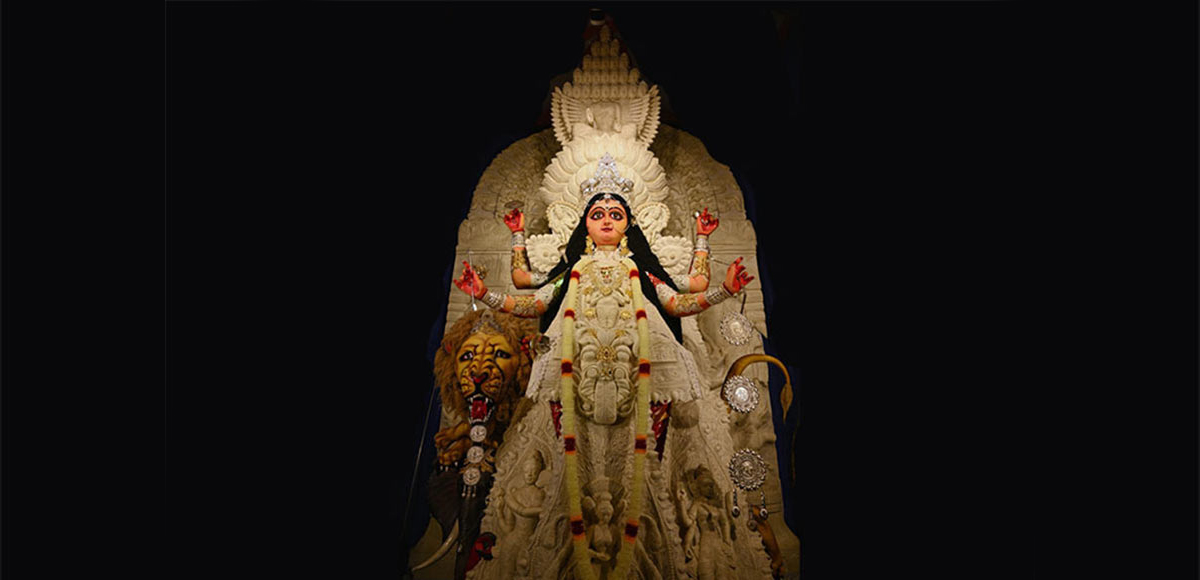
The Jagadhatri Puja has begun — a festival whose history is deeply intertwined with the name of Chandannagar. Last year, during an adda at Maya Art Space, three residents of Chandannagar gathered — Dr. Bishwanath Bandopadhyay, former professor and writer; Debashis Mukhopadhyay (Demu), retired journalist and historian; and
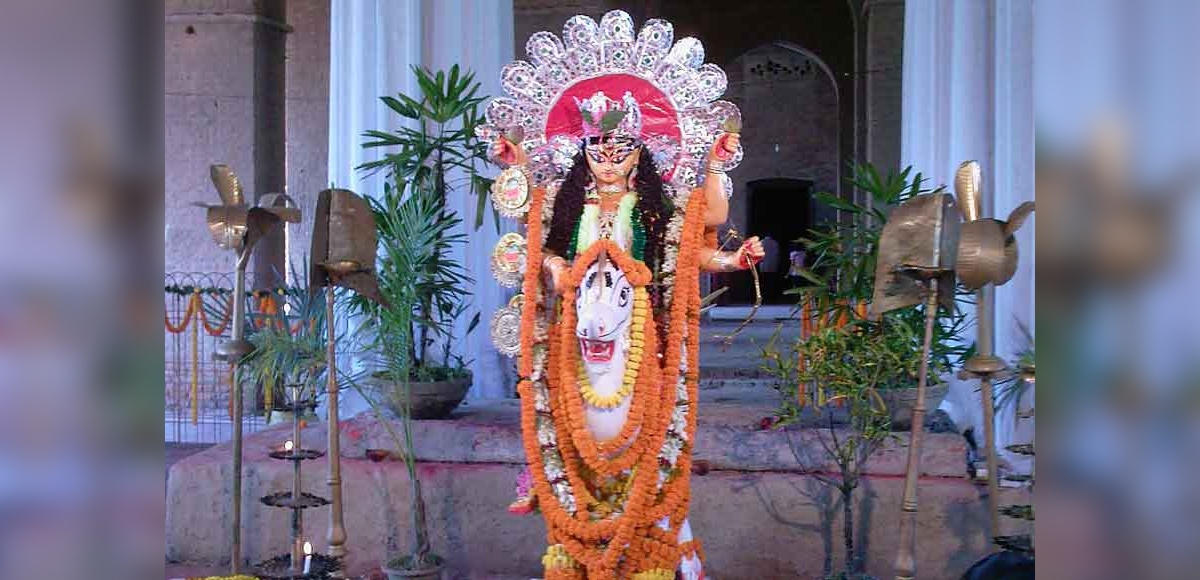
When we think of Jagadhatri Puja today, the glamorous celebration of Chandannagar often comes first to mind with towering idols and spectacular light displays drawing visitors from across Bengal. But far older, quieter, and steeped in royal history is the Jagadhatri Puja of Krishnanagar Rajbari
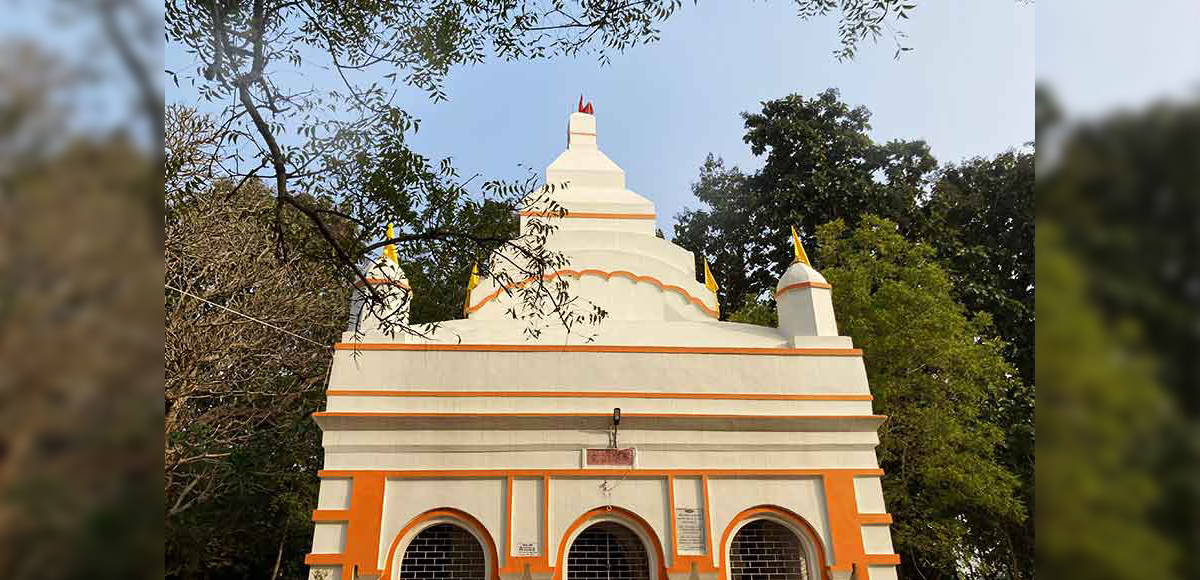
In Bengal’s spiritual tradition lies a story that has been told and retold for generations—the story of the Ray family of Balagarh, Hooghly, whose unwavering devotion to Goddess Jagadhatri has illuminated their home and hearts for centuries. Some believe Jagadhatri Puja began in Krishnanagar, Nadia. Others believe that Bengal’s earliest

The mere mention of Bibhutibhushan Bandopadhyay evokes a reflective pause in any reader. His narratives, particularly that of Aranyak, are capable of altering our view of the world around us. They encourage us to notice rustling leaves, assorted bird songs and even gentle rivers. With the words

Humans usually migrate for livelihood. But Bengalis’ relationship with Banaras (Varanasi) is not exactly that. Over time, they have indeed come here for education and trade, but mostly to make Kashi their permanent home. There is no clear record of when Bengalis first started considering Kashi

We were walking north along Netaji Subhas Road, west of Lal Dighi, passing on the left the GPO, the Reserve Bank, and the Eastern Railway headquarters, and on the right, Writers’ and Lions’ Range behind us. By “we,” I mean myself, my American friend Dr.
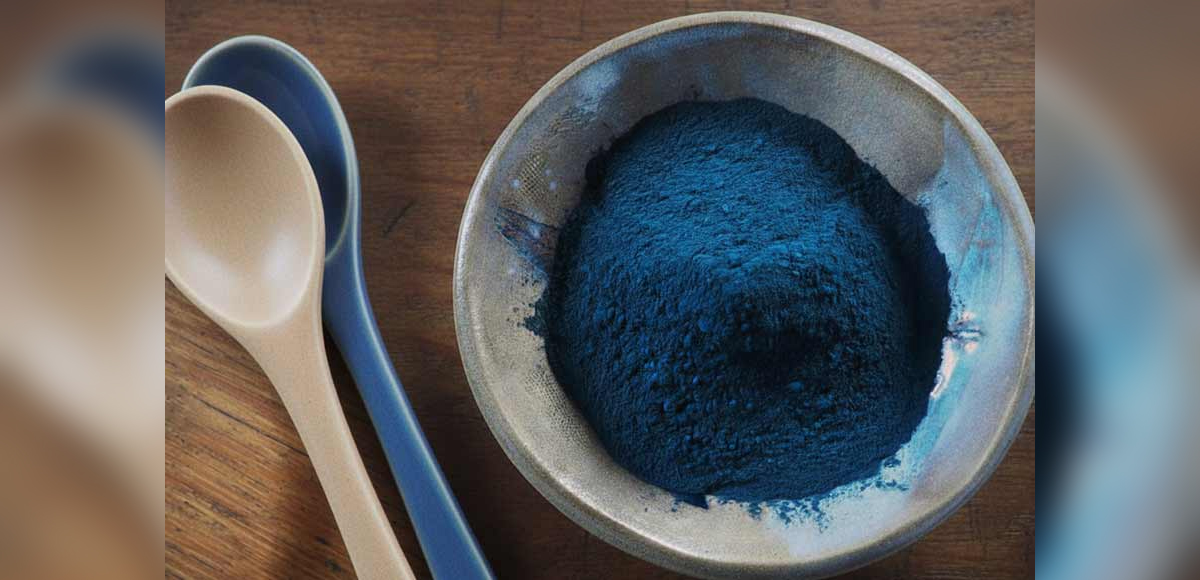
Indigo signifies the struggle of Indian peasants during the British Raj, when the demand for the dye in the European textile industry sharply rose. Bengal is the living history of the “Indigo Revolt”, held in 1859, just after the Indian Rebellion. Indigo was introduced in the country in